Custom Search

Thursday, October 29, 2020

Cool Weather Recipe ::: Cabbage Rolls

One dish that I love to fix in the fall / winter colder weather is cabbage rolls. Not all cabbage rolls are the same. Likewise there are many different ways to cook them and the chef may choose from beef, pork or lamb. Seasonings used often include ginger, cinnamon and nutmeg making it a delight to smell as they cook as well. 


Tips for Making Cabbage Rolls: 

  • Purchase the biggest head of cabbage
  • Cabbage that has leaves that are a bit loose works better than one that the leaves are tighter 
  •  If the cabbage has dark green leaves on the outside will work better 
  • If there are no large heads of cabbage available then purchase 2 heads in order to have enough larger outer leaves


For the cabbage rolls:

  • 16-18 large cabbage leaves
  • 2 tablespoons vegetable oil
  • 1 1/2 pounds lean ground beef
  • 1 cup cooked rice
  • 1 large onion, chopped
  • 1 clove garlic, minced
  • 1/2 teaspoon crushed red pepper flakes
  • 1 teaspoon salt
  • 1 teaspoon pepper
  • 1 large egg, lightly beaten
  • 1/2 cup milk

For the sauce:

  • 1 15-ounce can tomato sauce
  • 1 15-ounce can diced tomatoes (do not drain)
  • 1/4 cup light brown sugar
  • 1/4 cup white balsamic vinegar
  • 1/4 cup water
  • 2 tablespoons cornstarch mixed with 1/4 cup water
  • 1/4 cup chopped parsley leaves for garnish


To prepare the cabbage rolls:

  • Heat a large pot of salted water over high heat until boiling. Drop the cabbage leaves, a few at a time, into the boiling water. Cover and cook for about 3 minutes or until wilted and pliable. Remove with tongs to a strainer to drain. Repeat until all leaves are par-boiled. Remove the thick central ribs by cutting along both sides of the rib in a long narrow triangle. Discard ribs. Set leaves aside. (SEE NOTES  BELOW)
  • Heat oil in a large ovenproof skillet (or Dutch oven) over medium-high heat until shimmering. Add the onion and cook until starting to caramelize, about 5 minutes. Add the garlic and crushed red pepper flakes and sauté for 30-seconds. Remove the skillet from the heat. Transfer half the onion to a large mixing bowl.
  • Off heat, add the ground beef, cooked rice, salt, pepper, egg and milk to the remaining onion mixture in the skillet. Stir with a wooden spoon to combine. Divide the ground beef and rice mixture evenly between the 16 cabbage leaves. Overlap the cut ends of the cabbage to prevent the filling from spilling out. Place the filling over the area that overlaps and fold in the sides. Roll the leaf tightly around the filling to create a tidy roll. Place the cabbage roll, seam side down, in the now empty skillet, Dutch oven or baking dish. Repeat until all filling is used.

To prepare the sauce:

  • In the mixing bowl with the remaining onions, add the tomato sauce, diced tomatoes, brown sugar, vinegar and water. Pour over the cabbage rolls. Cover the skillet with a lid or foil and bake until the sauce is bubbling and the rolls are heated through, about 45 minutes. Remove the lid and spoon some of the sauce over the cabbage rolls. Continue to bake, uncovered, for an additional 15 minutes.
  • Carefully remove the cabbage rolls to a serving plate. Put the skillet with the sauce on the stove top and heat on medium. Whisk together the cornstarch and water and slowly add to the sauce in the skillet. Heat until thickened. Pour the tomato sauce over the cabbage rolls and serve immediately garnished with parsley. (recipe resource )
please consider sharing our post


shared at 

Monday, October 26, 2020

Have you Minced the Meat

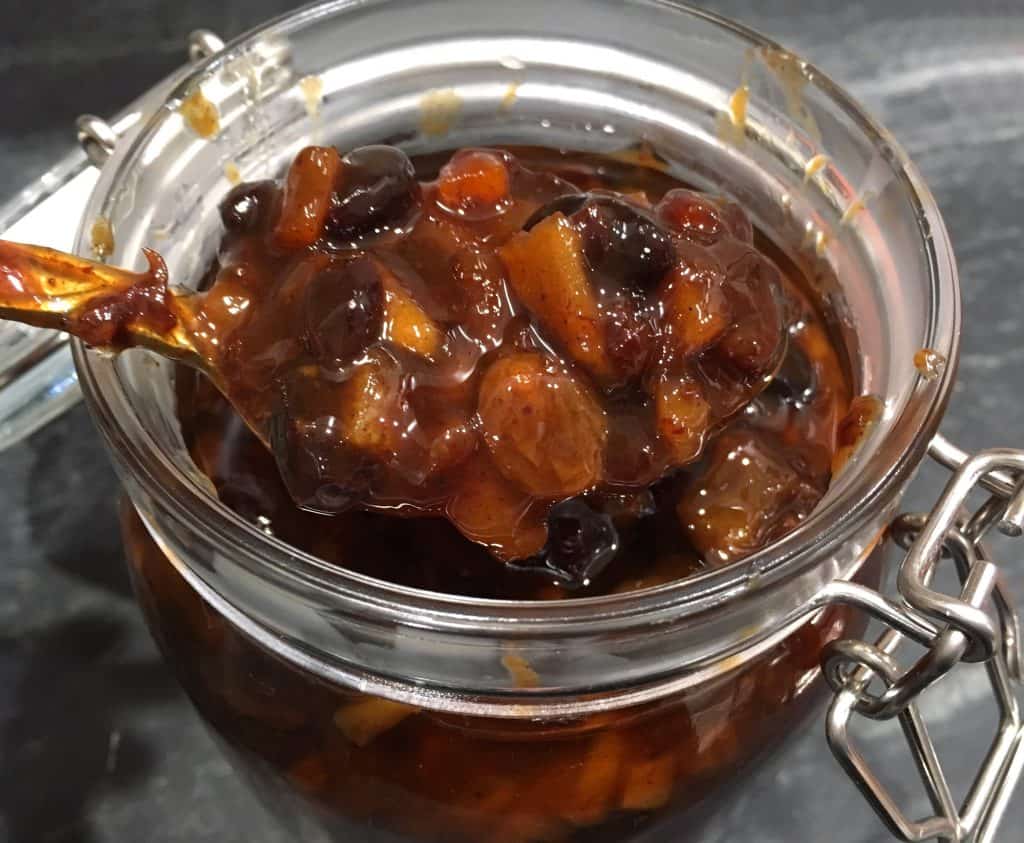
 Pumpkin Spice can be found nearly every where right now and soon the holidays will be brimming with all types of desserts and pies. My daddy simply loved pie and would take a slice over cake any day. One of his favorite types of pie was mincemeat. Have you ever had a piece of mincemeat pie?? Perhaps you have never heard of what mincemeat. 


In medieval days refrigeration had not been invented so when the great hunts would happen a way to preserve the food would be needed. One way to preserve meat was to turn it into mincemeat. There was no salting or smoking needed. The meat was mixed with fruit and spices and enjoyed in a savory manner. Eventually the British would catch onto the fact that you could enjoy a pie of mincemeat simply by increasing the fruit and spices and making the mixture a bit sweeter. 


Mincemeat pies have changed over the years and often do not include the grand amount of meat that they once did. Here are some vintage recipes that will allow you to try your own mincemeat pie 


Mincemeat Pie

1 pkg (9 oz) None Such Condensed Mince Meat
1-1/2 cups water
1 to 3 tablespoons sugar
Pastry for 2-crust pie

In small saucepan, crumble mince meat; add water and sugar. Cook and stir over medium heat until lumps are thoroughly broken. Boil one minute. Cool. Line 8-inch pie plate with pastry; fill with mince meat mixture. Cover with top crust. Flute edges. Cut 4 gashes in center of top crust. Bake at 425° for 30 minutes or until golden brown.
For a 9 inch pie, use two (9 oz.) packages condensed mince meat, 3 cups of water and 2 to 6 tablespoons of sugar.)


PRIZE COOKIES
(Makes 5 dozen 3-inch cookies)

1 cup shortening
1-1/2 cups sugar
3 eggs, well beaten
1 pkg (9 oz.) None Such Condensed Mince Meat
3-1/4 cups sifted all-purpose flour
1 teaspoon baking soda
1/2 teaspoon salt

In large bowl, cream shortening. Gradually add sugar, blending well after each addition. Add eggs and beat until smooth. Sift together flour, soda and salt. Gradually add to creamed mixture. Crumble and stir in mince meat. Drop mixture by teaspoonfuls onto greased baking sheets, about 2 inches apart. Bake at 400° for 12 minutes or until lightly browned.

find many great vintage recipes at 
recipe curio. 


please consider sharing our post

this post has been shared at

Show a Bit of Appreciation

Pastor appreciation is something that should be normal and understood. The bible tells that we are to respect the preacher as he is the Leader of our church. The bible verse 1 Thessalonians 5:12-13 tells us that as a pastor he is as a "shepherd" in God's own flock.


So how should we show our appreciation?? Well there are many ways How do you show another you appreciate them. What ever it is that you do to show respect then this should be an example of how to show appreciation to the pastor. In any form oral, written, sharing your special talent such as cooking or writing, or how about just taking him or her out for a meal. Showering a bit of extra respect and appreciation can be as simple or as elegant as you wish it. However, one of the best ways to share your appreciation is to follow the words of the bible God's Holy word. 


please consider sharing


Thursday, October 22, 2020

Pickled Peppers #recipe


  • 6 pounds of hot peppers (we used hot Hungarian wax peppers)
  • 12 cups cider vinegar
  • 4 cups water
  • 6 cloves of garlic, peeled and smashed with the flat side of a chef’s knife


Wash the jars in the dishwasher.

While the jars are washing, prepare the peppers.  First, put on a pair of rubber or plastic gloves – if you don’t you’ll regret it (your skin will become dry, red and burned from the peppers’ oil, and the oil will linger on your skin no matter how well you wash afterwards, and they you will inevitable touch your eye and be in a lot of pain.  A LOT.  Wear the gloves).  Rinse the peppers under cold running water.  Cut off and discard the stem, then slice the peppers into rings.  For hot peppers, keep the white membrane and the seeds (even if they fall out when cutting, keep them in the mix of pepper rings and use them when you fill the jars – the membranes and seeds are where most of the heat lives).  Transfer pepper rings and any dislodged membranes and seeds to a large bowl.

Also, while the jars are washing, prep your canning area.  I like to put down old (clean) kitchen towels and hot pads so I don’t have to worry about scorching the counter.  Get your jar lifter, lid wand, ladle, rings, lids, and wide mouth funnel ready.  I use a chopstick to remove air bubbles, but you can also use a small plastic spatula or plastic spoon (just don’t use a metal utensil, which can scratch and/or crack your jars).

Remove hot jars from dishwasher, place inside canner and fill the canner with hot water so that all of the jars are full and covered by 1 inch of water.  Put the canner on your largest burner and bring the water to a boil.

Bring a small pot of water to a simmer.  Add the lids to the simmering water; do not boil the lids.

Combine the vinegar, water and garlic in a large pot and bring to a boil.

Remove the pots of simmering lids and brine from the stove and place on hot pads near your jar filling station.  Remove garlic cloves from brine and discard.  Place the pepper rings near your filling station.  Have the canning tools listed in step 3 handy.

Remove 1 jar from the canning pot and dump out the water.  Pack the pepper rings (and any loose membranes/seeds) into the jar. Place the jar on the counter, place the funnel on top of the jar and ladle in the hot brine, leaving 1/4 inch headspace at the top of the jar. Take the funnel off of the jar and use a chopstick to remove the air bubbles; add more brine if needed to maintain 1/4 inch of headspace after the jar is de-bubbled.  Wipe the rim of the jar with a damp paper towel.  Use the lid wand to remove 1 lid from the pot and place it on top of the jar.  Screw the ring onto the jar until it is finger-tip tight (you don’t want it to be too tight or the air won’t be able to escape during processing).  Repeat with each jar until all of the jars are full.

Return the jars to the boiling water in the canner.  The water should cover the jars by at least 1 inch. Place the lid on the canner and process at a full boil for 10 minutes. Remove the jars from the canner and place on a towel on the counter.  Do not disturb the jars while they cool.

Label the sealed jars and store in a cool, dry place for up to 1 year.  If any of the lids fail to seal, the unsealed jars should be refrigerated because they are not shelf stable.


Please consider sharing our post 

Wednesday, October 21, 2020

History of Cinnamon Trade and a Delightful Fall #Recipe


More than likely you have heard of the spice known as cinnamon. It is one of my favorite fall spices but can be used in many other recipes through out the year as well. Cinnamon comes from the inner bark of several trees that come from the family known as cinnamomum. 


The spice cinnamon is used from everything from aromatics and flavorings to cuisines, sweet and savory dishes, breakfast cereals, snacks, tea and other great foods that are in our cabinets and fridges. 


The spice cinnamon has a rich history being first imported to Egypt . Many believe that it first came from China... this would be wrong as cinnamon cassia was shipped from China but no the common day cinnamon that we are common to. However, it is true that most modern era cinnamon are native to Vietnam, Indonesia and other Asian countries that host warm climates. 


Throughout the years cinnamon has also been used to embalm mummies, for aromatic burnings, and gifts to ancient rulers The desire to have control of the cinnamon spice trade led to the Dutch establishing a trading post during the early 1600's. The British would later take control from the Dutch in 1796. However, as early as 2017 the top exporting countries were  Indonesia, China, Vietnam and Sri Lanka. Global production has multiplied more than ten-fold since 1970. 


1 cup unsalted butter softened (2 sticks)
1 cup packed brown sugar
1/2 cup granulated sugar
1 large egg
1 tablespoon unsulphured molasses
2 teaspoons vanilla extract
1 teaspoon lemon juice (optional)
Dry Ingredients
1 1/2 cups all-purpose flour
1 teaspoon baking soda
2 teaspoons ground cinnamon
1/2 tsp. EACH salt, ground ginger
1/4 tsp. EACH ground cloves, ground nutmeg
2 1/4 cups uncooked whole-rolled oats
1 cup finely chopped peeled Granny Smith apples (1/4” pieces)
3/4 cup chopped walnuts (may sub ½ cup oats)
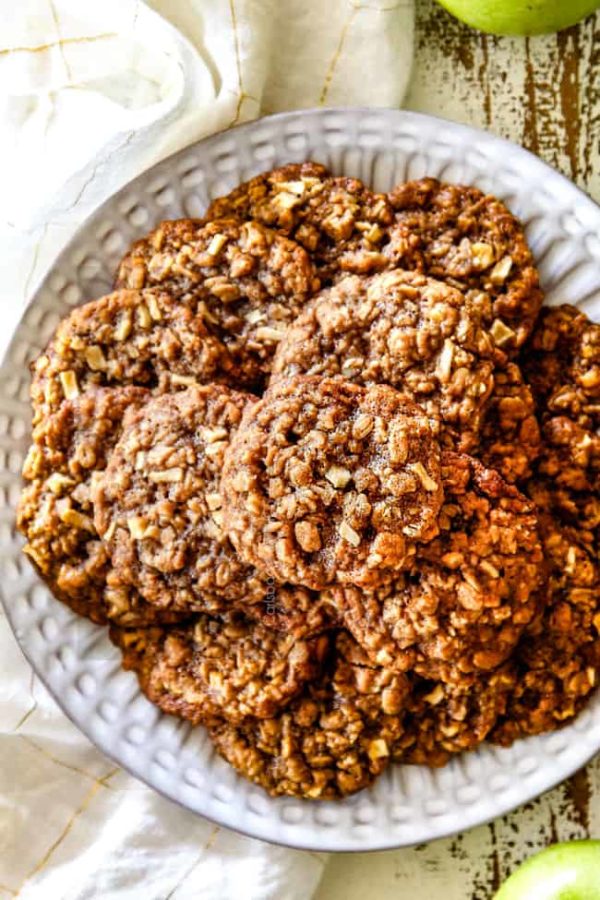
top view of apple oatmeal cookies o a white plate late

In a medium-sized bowl, add all of the dry ingredients except rolled oats and whisk to combine. Add oats and whisk together.
With the mixer running on low, slowly add the dry ingredients to wet ingredients. The dough will be quite thick and you will have to finish mixing with a wooden spoon. Add apples and walnuts and mix until combined. Cover tightly and chill dough for at least 4 hours.
Preheat oven to 350°F degrees. Line a cookie sheet with parchment paper or nonstick baking mat. Drop dough by rounded tablespoonfuls, 3 inches apart, onto prepared cookie sheet, 8 to a sheet (keep remaining cookie dough in the refrigerator).
Bake at 350°F for 11-15 minutes or until golden around the edges and center is just set. Let stand for 3 minutes before removing to wire racks. Store cooled cookies in an airtight container.


please consider sharing this post


I shared this post at these spots 
grandmas recipes 

Monday, October 19, 2020

Take Care of Your Bones and Joints

Each year in October the Bone and Joint Action week occurs. The week helps draw attention to disorders such as arthritis, back pain, trauma, pediatric conditions and osteoporosis. In America over half of all those over the age of 18 are affected by a bone or joint condition. The number of those individuals suffering with a musculoskeletal condition and requiring medical care continues to increase. Thus making bone and joint conditions the most common cause of severe long term pain and physical disabilities.


Back pain, arthritis, traumatic injuries, osteoporosis, spinal deformity and childhood conditions are all considered musculoskeletal conditions. Unless new treatments and preventive measures are found the number of cases are predicted to increase greatly. Sadly these conditions that affect the musculoskeletal system in our bodies often lead to significant disabilities as well as poorer quality of life. However, there does not look as a lot of research will be increasing as the National Institute of Health only allows a small percent of the annual budget to the researchers that look into improving the health of those that suffer. 


October 19, 2020 an awareness of pediatric is brought into the picture. The leading cause of death in those under 18 around the world are due to accidents. More than 20,000 deaths in the United States each year in children and teens are due to accidents. Many of these , nearly 3/4 are due to injuries that were the unintentional. These unintentional injuries may be the result of falls, car wrecks, bicycle accidents, and the list goes on. However, these accidents can be prevented with some safety steps. 


Please consider sharing our post

share on facebook

retweet


this post was shared at

tweeting 4 us #3 

Thursday Favorite Things


Friday, October 16, 2020

Fall Baking Q and A what do you know about Allspice


Have you started your fall baking yet?? Many have been at it for quite some time. I simply love walking in the house and discovering the odors coming from the kitchen during fall baking season. Today was no different at my daughter had allowed my grand-daughters to bake on their own. This is nothing new as they are both 12 now and have been baking for quite some time. However,,, they did not know that nana (as they call me) was going to quiz them on some fall spices.


I will take a few days over the next few weeks to share with you about spices to. A great place to start at is allspice. A spice commonly found in the kitchen during the baking season but do you know what it is??

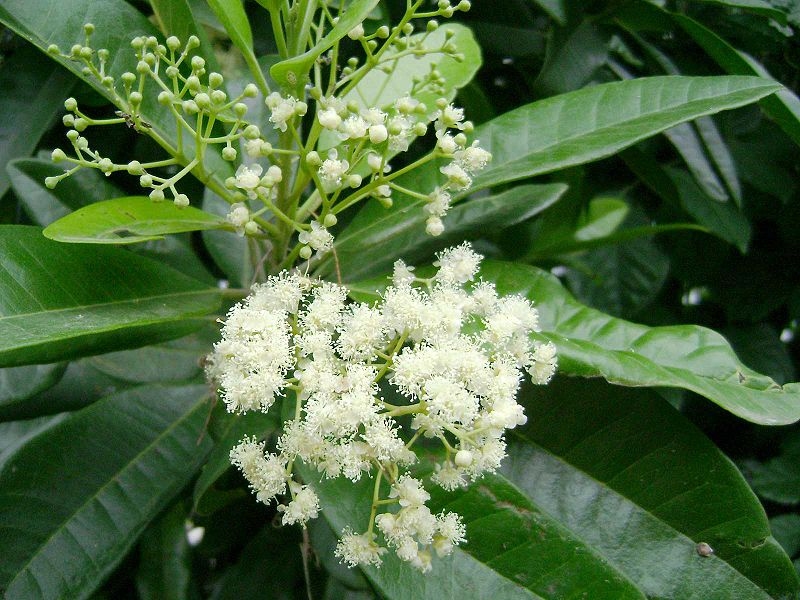
Allspice is made up of the dried unripe fruit of a tree commonly found in the Caribbean and Central America Often referred to as the Jamaican pimento or myrtle pepper comes from the Pimenta dioica. This tree native to the Central Americas including the Antilles and southern Mexico can now often be found in many warm parts around the world.


What types of recipes is Allspice used in?? Well actually because as its name says it taste a bit like other spices such as cinnamon, cloves and nutmeg the spice goes well in desserts as well as in savory dishes. Whole allspice goes great in more fragrant dishes and lasts longer so consider using it in braises and sauces. However, if you are baking then consider using the ground all spice as it is easier


Save a bit of money and time make your own All Spice
  • 1 tablespoon cinnamon
  • 1 tablespoon cloves
  • 1 tablespoon nutmeg

This mixture can be used as a SUBSTITUTION for Allspice.  
In a small bowl mix together all the above ingredients and store in an airtight container. Enjoy!
If you like a milder taste use 1/2 tablespoon of nutmeg and cloves. 
consider sharing our postretweet share on facebook 
this has been shared atavn -- facebook share / like  --- done

Thursday, October 8, 2020

Celebrate the FlufferNutter

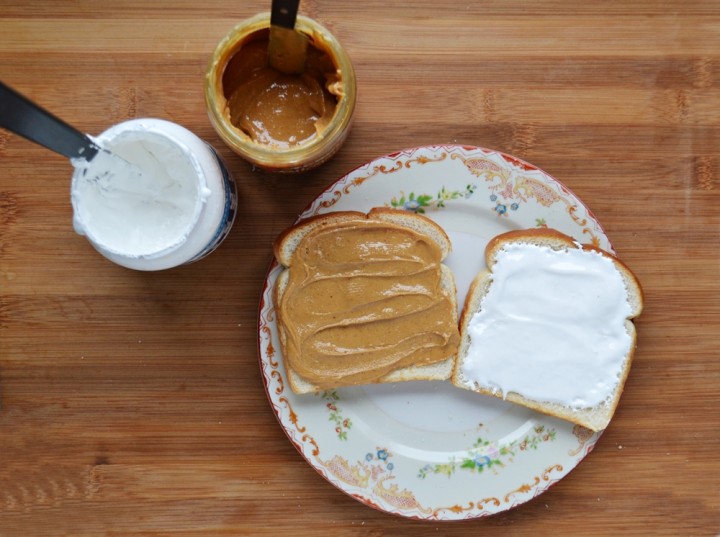
 Today is Fluffernutter day. Don't know what fluffernutter is?? Neither did I for a bit of time but now my kids love it. Flufferutter is made up of peanut butter and marshmallow fluff. The mixture is made into a sandwich and normally placed on white bread. In addition, other foods like desserts that have both peanut butter and marshmallow cream in the recipe. 


The one thing that helps make the fluffernutter possible. The invention of marshmallow cream during the early 20th century was the missing ingredient. Archibald Query from Somerville Massachusetts invented the tasty marshmallow creme in 1913. Later during War War I Emma Curtis created a recipe for the Liberty Sandwich Many other booklets came later that shared recipes that shared marshmallow creme with peanut butter as well as ideas to eat the mixture on sandwiches chopped with nuts or olives. 


Today why not enjoy a fluffernutter?? 


please consider sharing our post

retweet

shared on facebook 


shared this post at

avn --- twitter 2

Tuesday, October 6, 2020

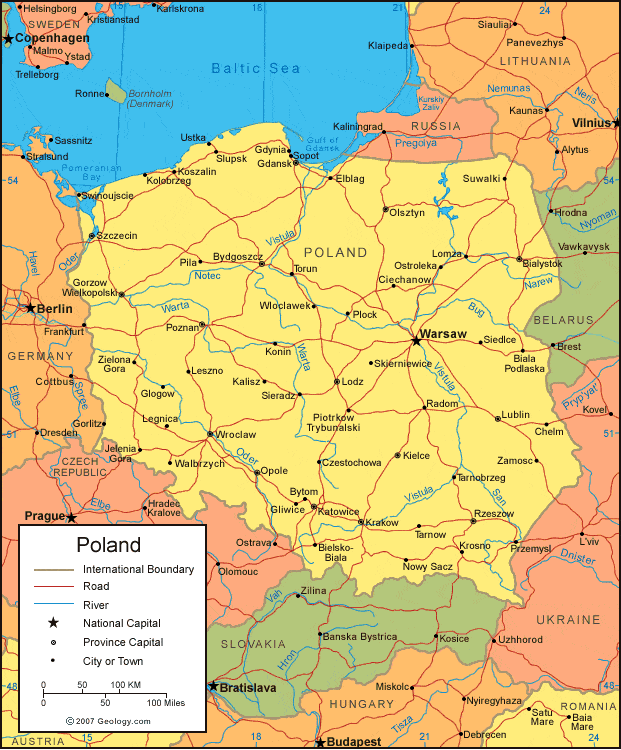
Early Polish Immigrants Come To America

 The first Polish Americans arrived in America in 1608. They came in an English ship titled Mary and Margaret. Those among the passengers with Polish descent were workers hired by the Virginia Company of London. These workers were hired to establish a glass industry in the colony. Perhaps it was meant to be as upon arrival the workers helped dig a well for providing fresh drinking water. 


Did you know that the first company in America was constructed and ran by Polish in America?? The factory made glass products. The members of the Polish also produced pitch and tar as well as other vital building materials that would help to build and strengthen the new colony. These products would be needed to help make it thru life in the colonies with the harsh climate and living conditions In addition the products that were created were also the first commercial items to be sent out of the Americans to Europe. 


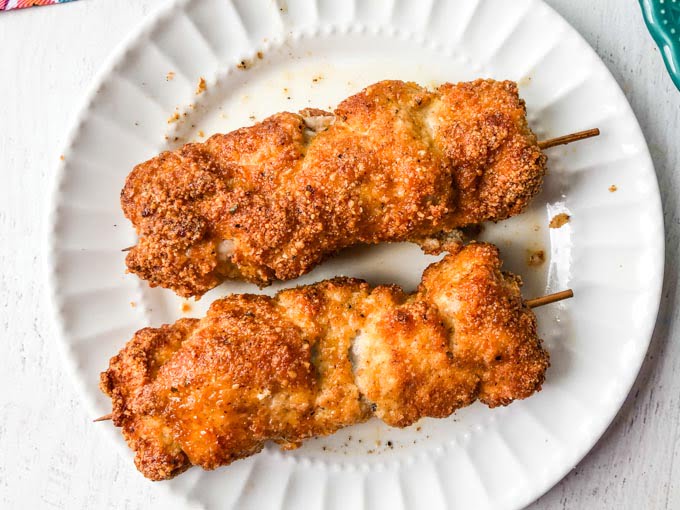
One recipe that became a famous treat for Polish working population was City chicken. City chicken did not require you to touch your food as it was held on a skewer. The delicious meat was done like chicken but in reality was a lower cost pork or beef. I have shared a recipe that you may find interesting better yet visit the webiste where I borrowed this recipe and read about more interesting facts


  • 1 1/2 lbs city chicken (pork or veal pieces cut into cubes)
  • salt and pepper
  • 2 eggs, beaten
  • 1 cup seasoned bread crumbs
  • 1/2 teaspoon paprika
  • 2 tablespoons Parmesan cheese
  • 1/2 cup oil

FOR GRAVY

  • 1/2 cup broth, chicken or beef
  • 1-2 tablespoons flour

  1. Preheat oven to 350 degrees.
  2. Add your eggs to a shallow bowl and beat
  3. In a separate bowl add your breadcrumbs, paprika and Parmesan cheese.
  4. If your pork and veal are not already placed on skewers, do so by alternating pork and veal pieces.
  5. Sprinkle meat with salt and pepper.
  6. Dip the skewered meat in the egg and then the bread crumbs. Set aside and finish the rest of the meat.
  7. Heat your skillet to medium high and once hot, add your oil.
  8. Once the oil is hot, place your meat in the pan and turn the skillet down to medium. Brown skewered meat on all sides. About 2-3 minutes on each side.
  9. Once the meat is browned, place in a baking dish and cover with aluminum.
  10. Bake for 20 minutes or until the pork is no longer pink inside.
  11. To make the gravy turn the skillet on to medium heat.
  12. Add the broth to the skillet and break up all the browned bits.
  13. Add the flour a little at a time and whisk well so there are no lumps.
  14. Pour over cooked meat. (this did not make much gravy for me but it was tasty.)


please consider sharing our post

shared at 

Saturday, October 3, 2020

0keep warm with coffee

 This time of year when the weather is getting crisper with a chill in the air I enjoy a good cup of coffee. Others need a cup of java to wake them up in the morning. Still others look for the energy from Joe to help make it thru the day. However while many enjoy a good cup of coffee it is still a puzzle where coffee originated.


Most coffee growers around the world acknowledge that for centuries coffee were grown in the Ethiopian plateau. Legend says that a goat herder first discovered the power coffee beans could share It seems that the goats had ate berries (beans) from this bush that gave them extra energy and did not sleep at night. With this information the herder shared the information with the abbot of a nearby monastery. After gaining the information he digested the berries himself and found that he stayed alert through the long hours of pm prayer and had to share all about what he had learned with the other monks. 


It was the Arabs in the 15th century that would begin to grow and sell coffee beans. The love of these beans quickly grew to areas such as Persia, Egypt, Syria and Turkey. Coffee houses began to pop up in cities around the Near East. Not only was it the drink they wee after but to get out and socialize as well. In addition those visiting these places from around the world would bring it to their homes around the world. 


Europeans would visit the Near East and take back with them stories of the amazing dark black beverage. The popularity of coffee grew and it was not always met with a warm reception. Fear and suspicion of the "bitter bean" was even compared to Satan himself. Clergy members would condemn it until Pope Clement VIII gave it his approval. Like in other countries coffee houses would be built and grow in popularity in places such as France, England, Austria, Germany and Holland. Perhaps today you would find it odd to realize that coffee would replace the common morning drink of beer and wine and offer not only the chance for a better day but also offered a chance for stimulating conversations. 

In the New World even before colonies had formed the New Amsterdam citizens of what would would be known as New York met up at coffee houses in the 1600s. In fact it was a revolt by the citizens of this area who would revolt against the tax the King George III would impose that would offer tea drinkers a chance to think things over. The Boston Tea Party of 1773 would lead Thomas Jefferson himself declaring 

"Coffee - the favorite drink of the civilized world." - Thomas Jefferson


please consider sharing our post 

retweet

share on facebook


shared at 

tweeting 4 us #3 

twitter / pinterest rt

inspire me monday